
At a glance
Bi-Metal Temperature Switches
Bi-metal temperature switches provide a reliable solution for temperature monitoring and regulation in numerous applications. They consist of two different metals that bend when the temperature changes, thereby triggering a switching mechanism. These temperature switches are ideal for applications where precise temperature control is required, such as heating systems, motors, or electrical devices. They guarantee high durability and efficiency with minimal maintenance effort.
Functionality
It uses a bi-metal switch as a sensing element to detect temperature changes and trigger the switching action. The bi-metal switch consists of two metal strips with different coefficients of thermal expansion, which are bonded together. When the switch is exposed to a specific temperature, the metal strips deform due to their differing expansion rates. This deformation leads to a mechanical movement of the switch. The temperature switch uses the bi-metal switch as a sensor to monitor the temperature. When the temperature reaches or exceeds the preset threshold, the deformation of the bi-metal switch causes movement that opens or closes the electrical contact. When the switch is open, the circuit is interrupted, and no current flows. This can serve as a protective device to prevent overheating. When the switch is closed, the circuit is completed, and the current can flow, which could activate a fan or heater, for example.
Advantages
Applications
Overheating Protection
Bi-metal temperature switches with sensors are commonly used to prevent overheating in machinery or systems. They can be deployed in motors, transformers, electrical cabinets, or generators to ensure the temperature does not exceed a certain limit. When the temperature reaches the threshold, the temperature switch opens the circuit, thereby protecting against overheating damage.
Temperature Monitoring
In many industrial processes, it is important to monitor the temperature. Bi-metal temperature switches with sensors can be used in heating systems, furnaces, cooling, and air conditioning units to maintain the temperature within a certain range. When the upper or lower limit is reached, the temperature switch can open or close the circuit to regulate the temperature.
Cooling Systems
In industrial cooling systems, bi-metal temperature switches are used to monitor the temperature and control cooling systems efficiently. Once the temperature exceeds a predefined threshold, the switch automatically activates coolers or fans to prevent overheating. This reliable control ensures a constant operating temperature and protects machinery and systems from damage that could result from uncontrolled heat buildup.
Industries
Bi-metal temperature switches are crucial for precise temperature control in mechanical engineering, hydraulics, heating, ventilation, and air conditioning (HVAC). They prevent overheating and optimize the lifespan of hydraulic systems. In the food and beverage industry, they ensure product quality, while in tunnel construction machinery, they monitor critical temperatures. These switches contribute to safety and efficiency in various industrial applications.
product selection
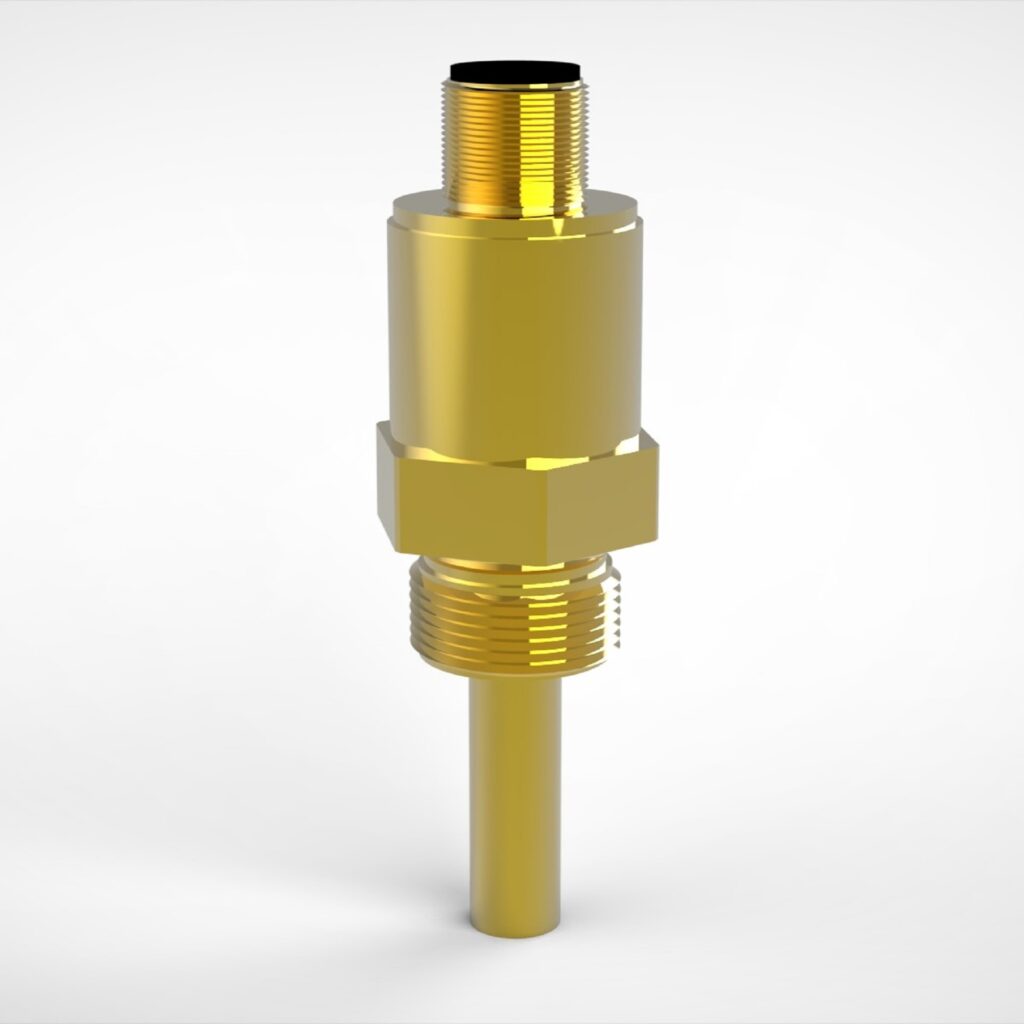
T 31
- Connection:
- Plug connection
- Mounting:
- Screw connection
- Sliding tube:
- Brass
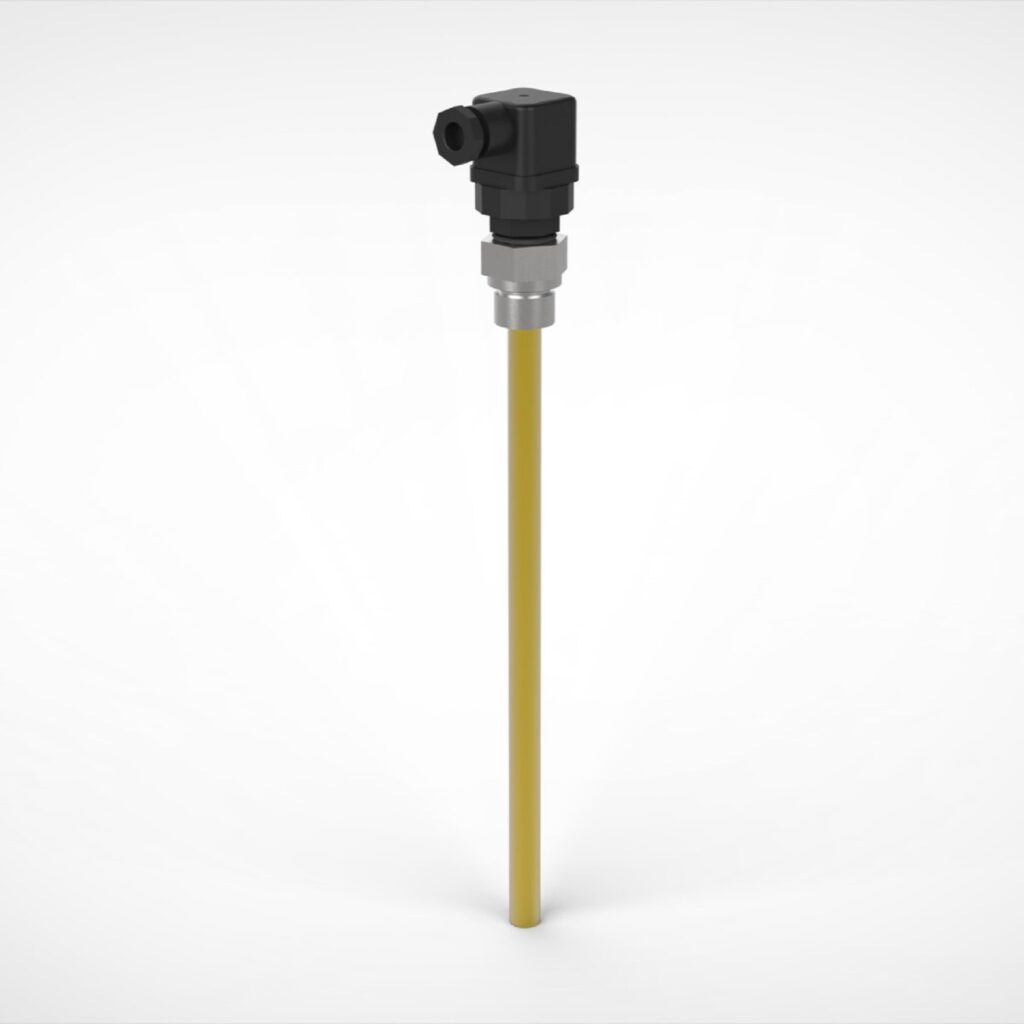
T
- Connection:
- Terminal in the housing, Cable, Plug connection
- Mounting:
- via housing base, Screw connection, Flange
- Sliding tube:
- Brass, Stainless steel
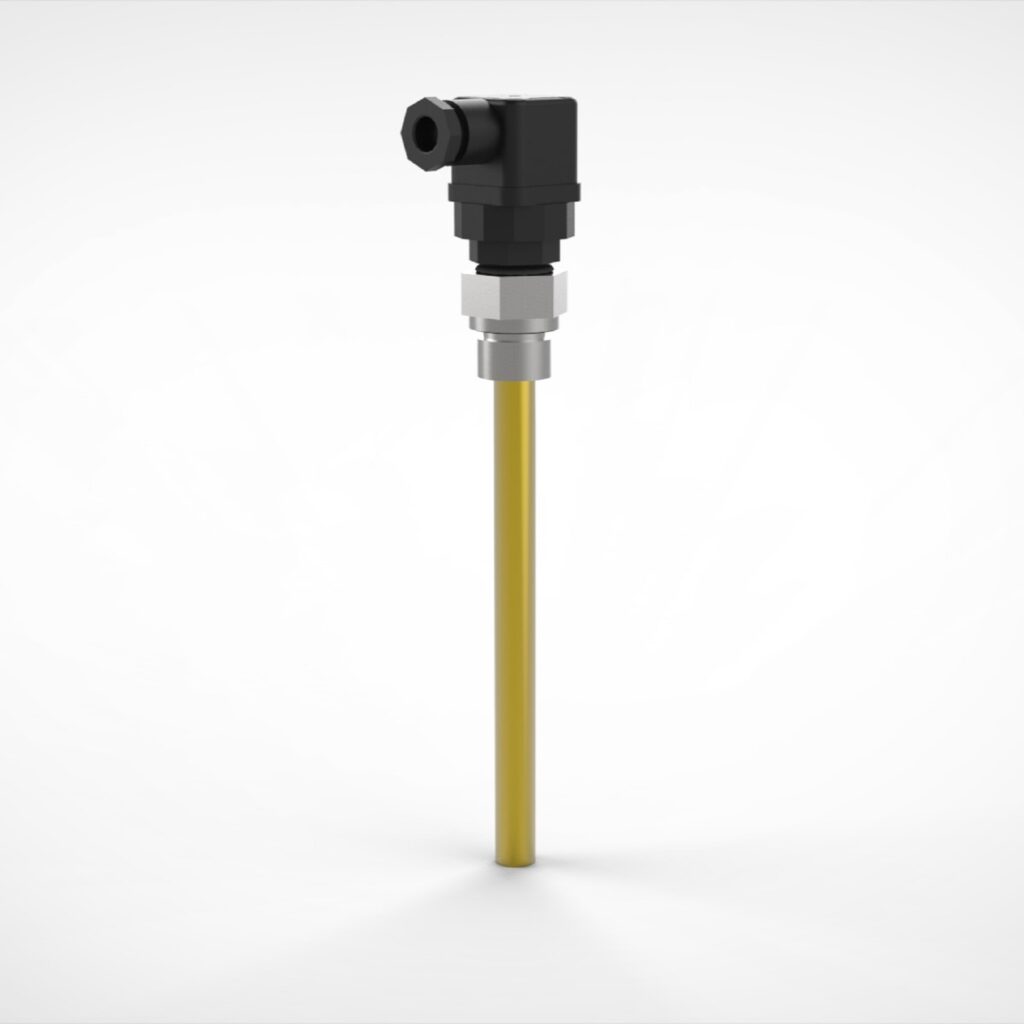
TSB
- Connection:
- Plug connection
- Mounting:
- Screw connection, Flange
- Sliding tube:
- Brass, Stainless steel
No matching products were found for this filter selection.
WE OFFER CUSTOM-MADE SOLUTIONS FOR EVERY APPLICATION!
How does it work?
Whether it’s the length, the switch point position or other technical features, you can configure the sensor exactly as you wish.
Can’t find the design you’re looking for?
No problem – we have plenty more designs in our portfolio – just get in touch.
And what if we don’t have that design in our portfolio yet?
No problem – our engineers will be more than happy to develop it for you.