
At a glance
Temperature Sensors
Temperature sensors are essential in industrial automation, providing precise temperature measurements for control and regulation systems. They ensure smooth operation of equipment, maintain optimal process conditions, and monitor product quality. Additionally, they enhance safety and improve energy efficiency. Their reliability makes them indispensable for process control and modern automation solutions.
Functionality
Temperature sensors such as PT100 and PT1000 are widely used for precise temperature measurement. Both belong to the category of resistance thermometers, functioning based on changes in the sensor’s resistance.
The PT100 and PT1000 utilize a platinum resistance element whose resistance changes linearly with temperature. The PT100 has a resistance of 100 ohms at 0°C, while the PT1000 exhibits a resistance of 1000 ohms at the same temperature. By accurately measuring these resistance changes, these sensors determine temperatures with high precision.
The PT100 is ideal for applications requiring precise and stable measurements, while the PT1000 offers advantages in signal strength and is used in environments requiring higher resistance values. In industries and scientific laboratories, PT100 and PT1000 are indispensable for monitoring and regulating processes due to their reliable and accurate temperature measurements.
Advantages
Applications
Limit Monitoring
Temperature sensors monitor whether temperatures remain within specified thresholds and trigger alarms or shutdowns in case of deviations. They protect equipment from overheating or overcooling and ensure effective operation, such as monitoring coolant temperatures in cooling systems. This precision ensures safety, protects components, and supports seamless operation.
Quality Control
In industries such as food and pharmaceuticals, temperature control is critical for quality assurance. Temperature sensors ensure that products are stored, transported, or processed at the correct temperatures, guaranteeing the shelf life of food products or the efficacy of medications.
Energy Efficiency
Temperature sensors enhance energy efficiency by aiding the regulation of heating and cooling systems according to actual requirements. For instance, they can be integrated into a building automation system to monitor room temperatures and optimize heating or air conditioning systems, reducing energy consumption.
Industries
Temperature sensors are indispensable across numerous industries. They ensure accurate temperature measurements for optimal process control and prevent overheating, particularly in mechanical engineering and automation technology. In HVAC systems, they enhance energy efficiency. In food, pharmaceutical, and chemical applications, they ensure compliance with strict regulations and maintain product quality. In electronics, they prevent thermal damage and increase operational safety.
product selection
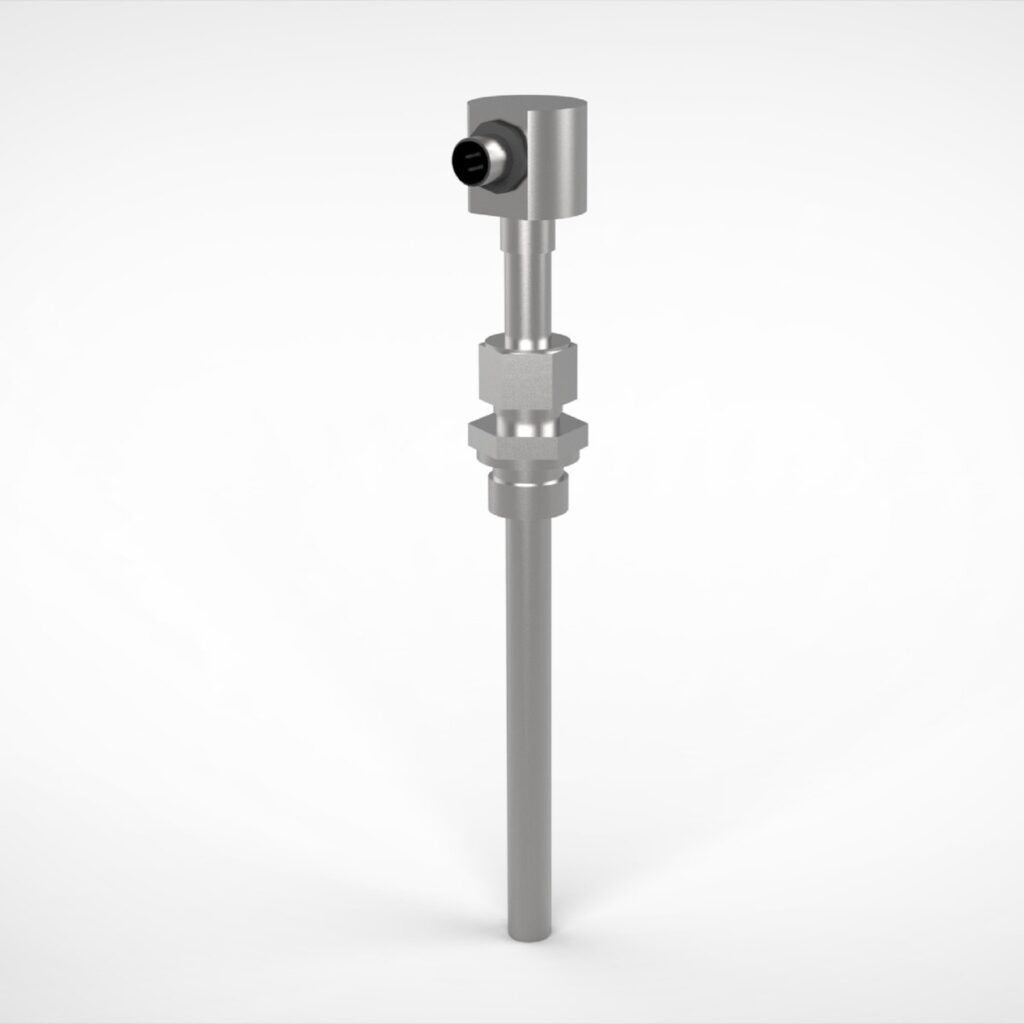
PT100
- Connection:
- Terminal in the housing, Cable, Plug connection
- Mounting:
- Screw connection
- Sliding tube:
- Brass, Stainless steel
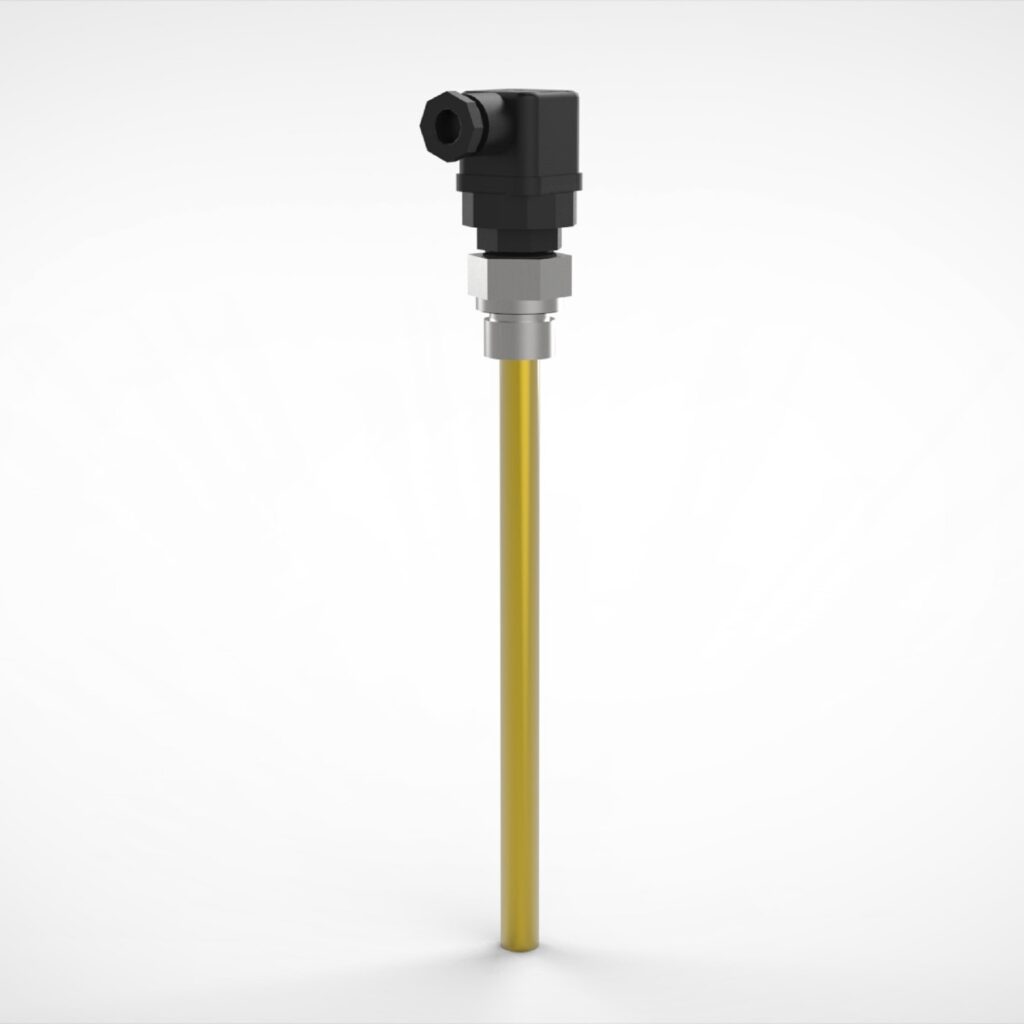
PT100-6
- Connection:
- Plug connection
- Mounting:
- Screw connection
- Sliding tube:
- Brass, Stainless steel
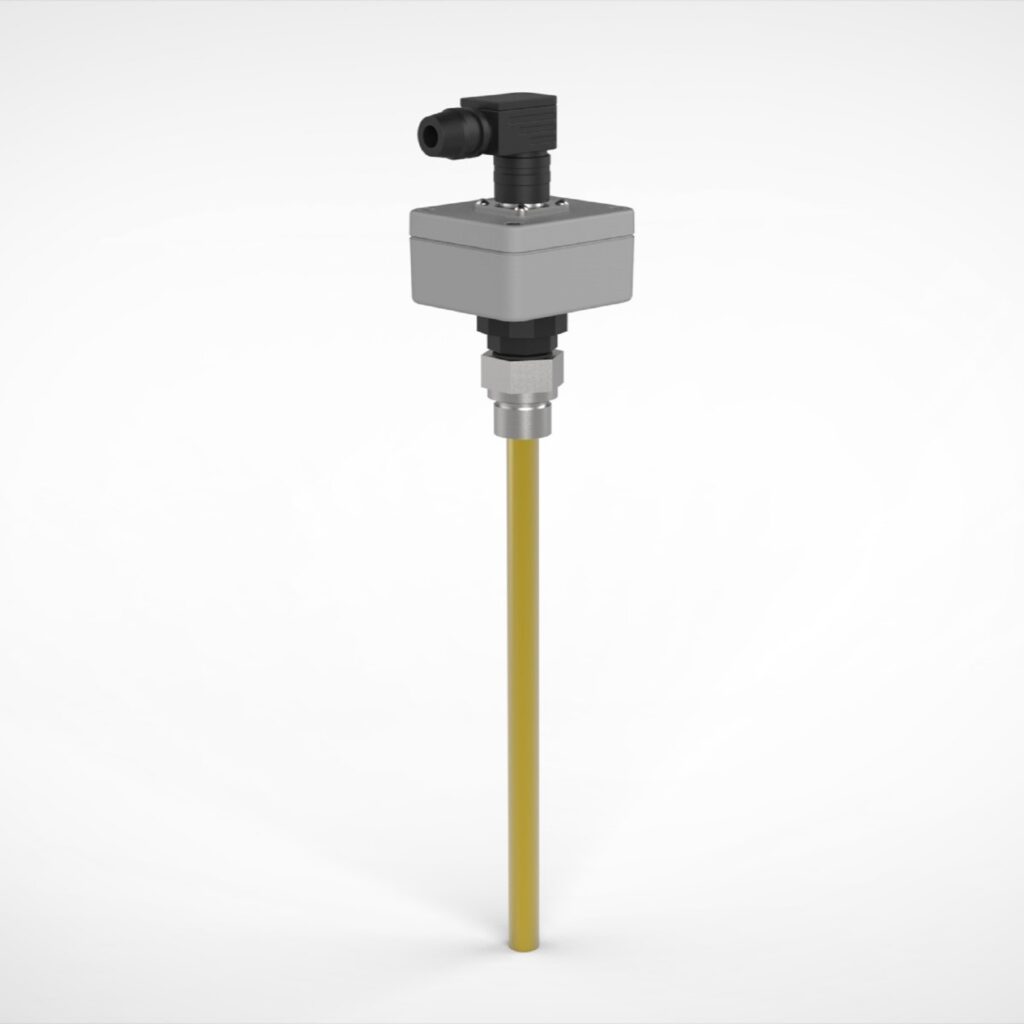
PT100-6L
- Connection:
- Plug connection
- Mounting:
- Screw connection
- Sliding tube:
- Brass, Stainless steel
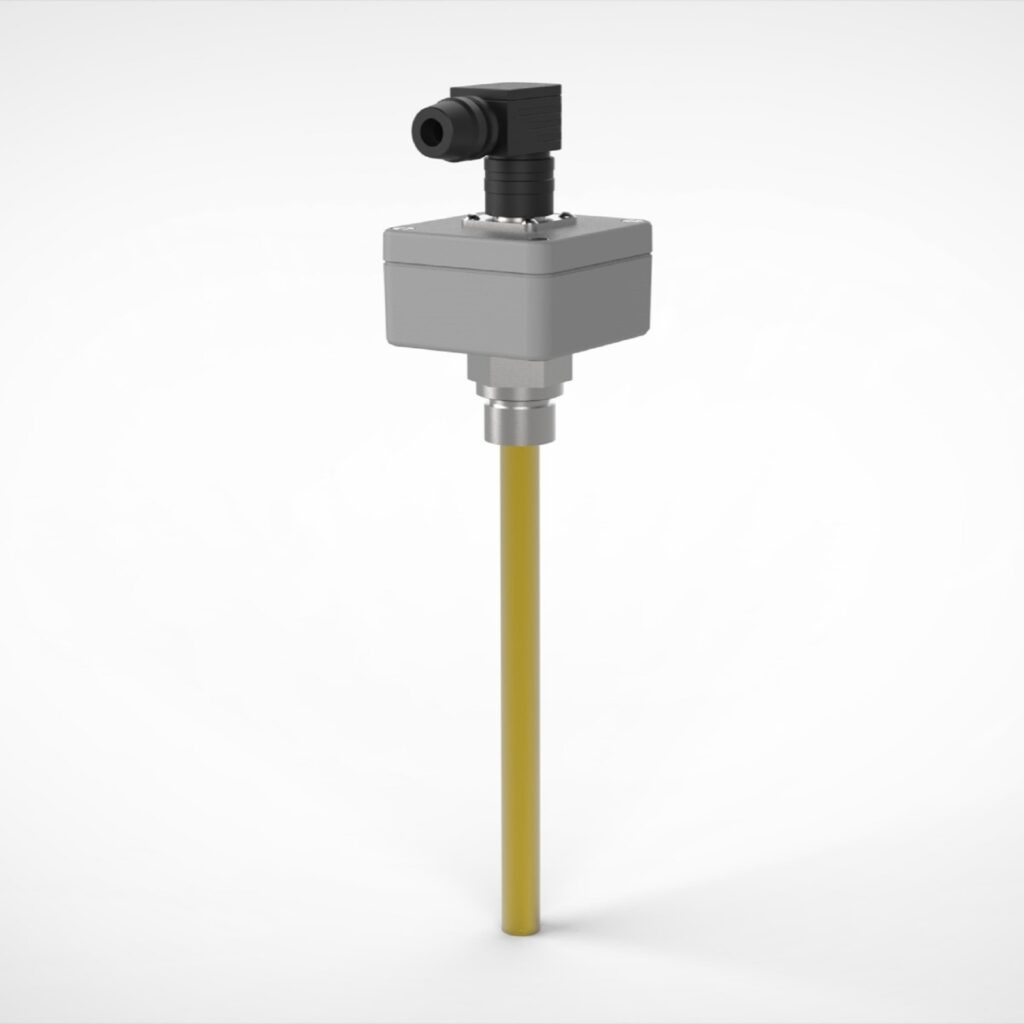
PT100-10L
- Connection:
- Plug connection
- Mounting:
- Screw connection
- Sliding tube:
- Brass, Stainless steel
No matching products were found for this filter selection.
WE OFFER CUSTOM-MADE SOLUTIONS FOR EVERY APPLICATION!
How does it work?
Whether it’s the length, the switch point position or other technical features, you can configure the sensor exactly as you wish.
Can’t find the design you’re looking for?
No problem – we have plenty more designs in our portfolio – just get in touch.
And what if we don’t have that design in our portfolio yet?
No problem – our engineers will be more than happy to develop it for you.