
At a glance
Float Switch with Level Control System (MNS Control)
A float switch with level control is a reliable sensor commonly used in tanks or containers to monitor liquid levels precisely. Its functionality allows the switch to perform critical control tasks, such as activating or deactivating pumps or valves to regulate the level. This technology ensures efficient and safe liquid management across various applications, minimizing the risks of overfilling or dry running.
Functionality
The operating principle of a float switch based on reed contact utilizes a reed contact as the switching element. A float switch consists of a buoyant body, also known as the float, which floats on the liquid surface. The buoyant body is equipped with a magnet.
As the liquid level changes, the float moves up or down accordingly. When the liquid reaches a specific level, the magnet approaches the reed contact. The reed contact comprises two ferromagnetic contact blades housed within a glass capsule, separated by a small air gap. When the magnet from the float nears the reed contact, its magnetic field pulls the ferromagnetic blades together, closing the circuit.
This closed circuit can be used to send a signal, such as triggering an alarm or controlling a motor.
Level control refers to the float switch’s ability to maintain the liquid level within a specific range or initiate specific actions when the level reaches predefined thresholds.
Advantages
Applications
Water Supply
In a water tank, a float switch with level control monitors the water level. When the level drops below a specified minimum, the pump is automatically activated to refill the tank. Once the water reaches the maximum level, the pump shuts off to prevent overflow.
Wastewater Treatment
In a wastewater treatment plant, level control monitors the level in a sludge pit. When the level reaches a predefined threshold, the system initiates a drainage process to discharge the wastewater.
Industrial Applications
In industrial processes where liquids are stored in containers or tanks, level control monitors the liquid level and controls pumps, valves, or other equipment to regulate the level efficiently.
Industries
Float switches with pump control are utilized in numerous industries. In water management, they automatically regulate levels in wells, tanks, and cisterns to prevent overflows or dry running. In wastewater treatment, they ensure reliable pump control in wastewater systems. In agriculture and industrial processes, they monitor liquid levels in containers or silos to support optimal operation. In heating and climate technology, they efficiently manage pump operations for HVAC systems.
product selection
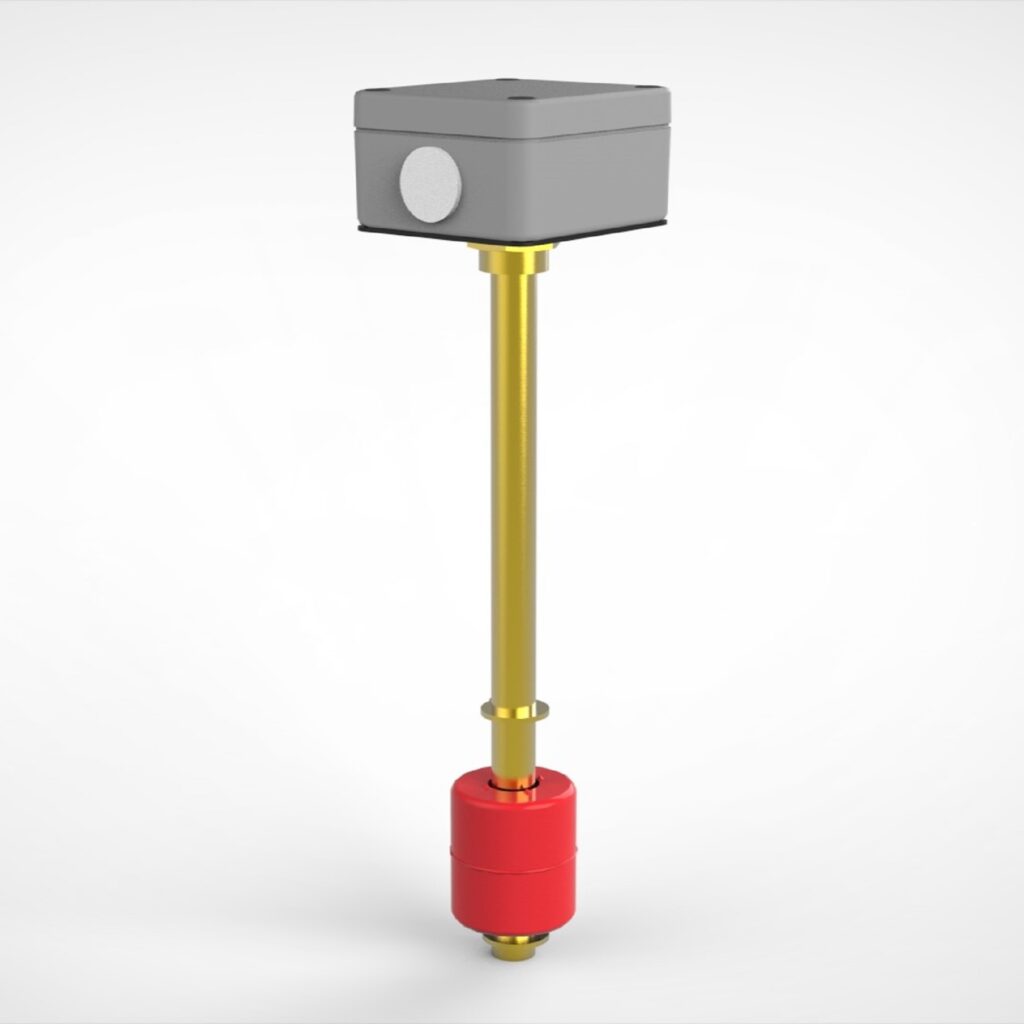
MNS
- Connection:
- Terminal in the housing
- Mounting:
- via housing base, Screw connection, Flange
- Sliding tube:
- Brass, Stainless steel, PVC
- Float:
- Stainless steel, PP
No matching products were found for this filter selection.
WE OFFER CUSTOM-MADE SOLUTIONS FOR EVERY APPLICATION!
How does it work?
Whether it’s the length, the switch point position or other technical features, you can configure the sensor exactly as you wish.
Can’t find the design you’re looking for?
No problem – we have plenty more designs in our portfolio – just get in touch.
And what if we don’t have that design in our portfolio yet?
No problem – our engineers will be more than happy to develop it for you.