
At a glance
Float Switch with Temperature Sensor
A float switch with a temperature sensor is a device typically used in tanks or containers to monitor the liquid level and simultaneously measure the temperature of the medium. It combines two functions in one device: a float switch for level detection and a temperature sensor for temperature measurement. The level is output in the form of a digital signal, while the measured temperature is represented as a resistance signal.
Functionality
The operating principle of a float switch based on a reed contact relies on the use of a reed switch as the switching element. A float switch consists of a buoyant body, also known as a float, which floats on the surface of the liquid. The buoyant body is equipped with a magnet. As the liquid level changes, the buoyant body moves accordingly, either upward or downward. When a certain level is reached, the magnet approaches the reed contact. The reed contact consists of two ferromagnetic contact blades placed within a glass capsule. These blades are separated by a small air gap. When the magnet of the buoyant body reaches the reed contact, the magnetic field attracts the ferromagnetic blades, bringing them together. This closes the contact blades, completing the electrical circuit. This closed circuit can be used to send a signal, for example, to trigger an alarm or control a motor.
Temperature measurement is carried out using highly accurate temperature sensors of the PT100 or PT1000 type. These sensors utilize the principle of changes in the electrical resistance of a metal depending on temperature. A PT100 sensor consists of a platinum resistance that changes its resistance value as the temperature increases. Similarly, a PT1000 sensor works the same way, but the resistance in ohms is 1000 times greater than that of a PT100 sensor. The PT sensors can provide very precise and accurate resistance values, which are directly related to the temperature of the liquid or medium in contact with them. These analog resistance values are then converted into temperature readings by an appropriate measuring device or evaluation circuit. The temperature values can also be passed on to control and regulation systems to monitor the temperature in the system and, if necessary, to control and regulate the process.
Advantages
Applications
Industrial Automation
Float switches with temperature measurement are used in automated manufacturing processes to monitor the level and temperature in liquid tanks. They are particularly helpful in machines and process plants to control the temperature of cooling and lubrication liquids. This precise monitoring ensures optimal fluid supply, prevents failures, and guarantees smooth operations and efficient process conditions in production.
Mechanical Engineering
Float switches with temperature measurement are commonly used in machines and systems that use liquids such as oil, especially in hydraulic and lubrication systems. They reliably monitor oil levels and temperature to ensure optimal lubrication and cooling. This protects against overheating and wear, extends the lifespan of machines, and reduces downtime due to lubrication issues. This maximizes machine efficiency and lowers maintenance costs.
Chemical and Pharmaceutical Industry
Float switches with temperature measurement are used in the chemical and pharmaceutical industries to precisely monitor the level and temperature of chemical substances in storage tanks and reactors. This technology ensures the safe handling of chemicals and guarantees controlled reaction conditions. Continuous monitoring minimizes safety risks and optimizes process stability, contributing to efficient and safe production.
Industries
Float switches with temperature sensors are used in various industries. In the food industry, for example, they are used to monitor liquid levels in storage tanks and filling systems. In the chemical and petrochemical industries, they play a key role in ensuring the safe handling of chemicals and preventing overflows. They are also applied in water treatment, mechanical engineering, the automotive industry, and many other sectors where precise liquid monitoring is required.
product selection
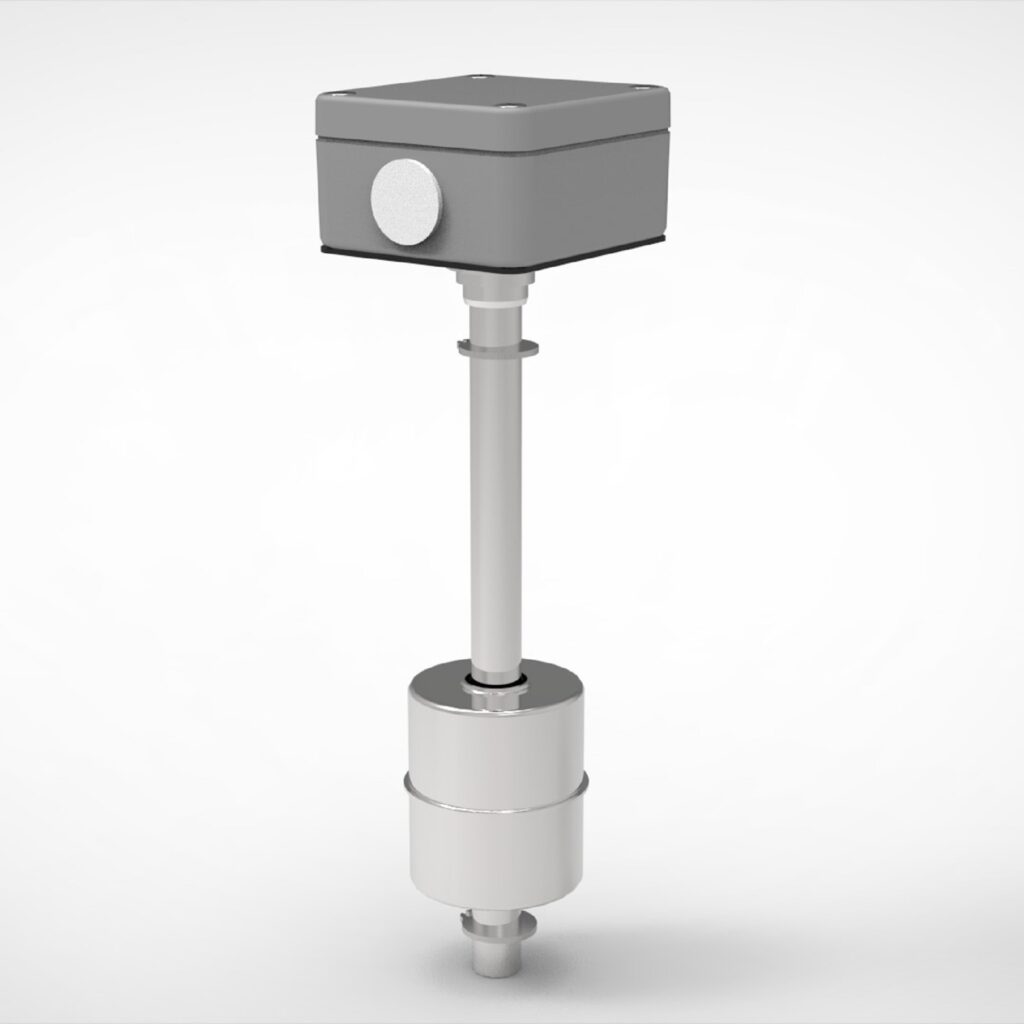
SSE 1 PT100
- Connection:
- Terminal in the housing
- Mounting:
- via housing base
- Sliding tube:
- Stainless steel
- Float:
- Stainless steel, PP
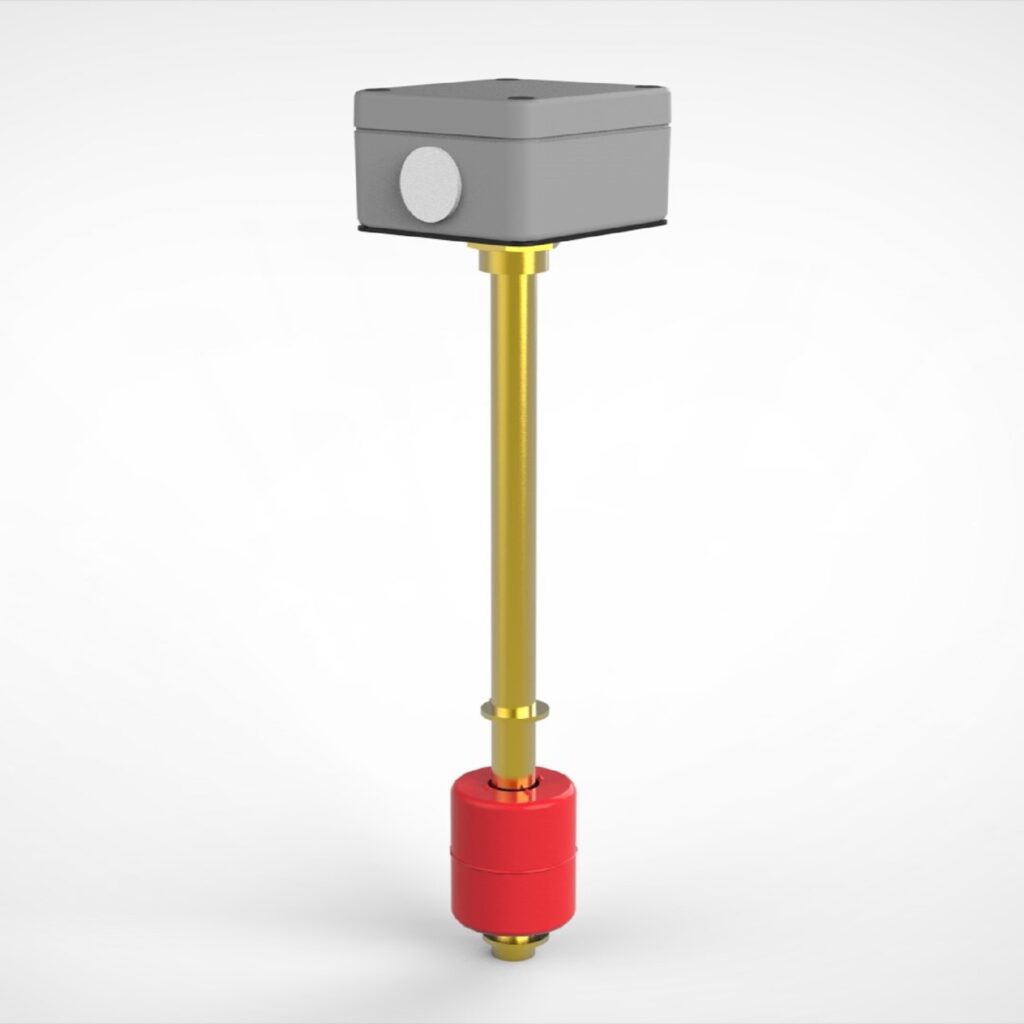
SSM 1 PT100
- Connection:
- Terminal in the housing
- Mounting:
- via housing base
- Sliding tube:
- Brass
- Float:
- Stainless steel, PP
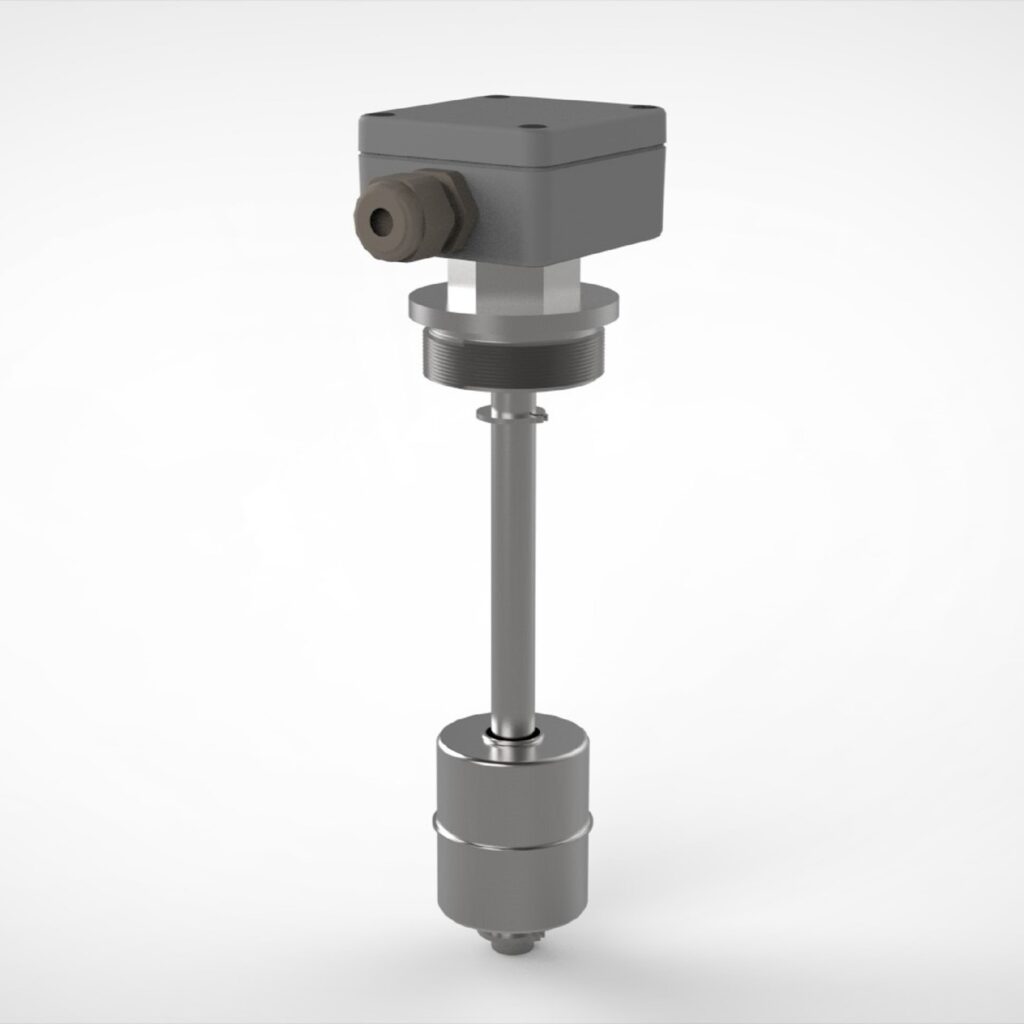
SSE 7 PT100
- Connection:
- Terminal in the housing
- Mounting:
- Screw connection
- Sliding tube:
- Stainless steel
- Float:
- Stainless steel, PP
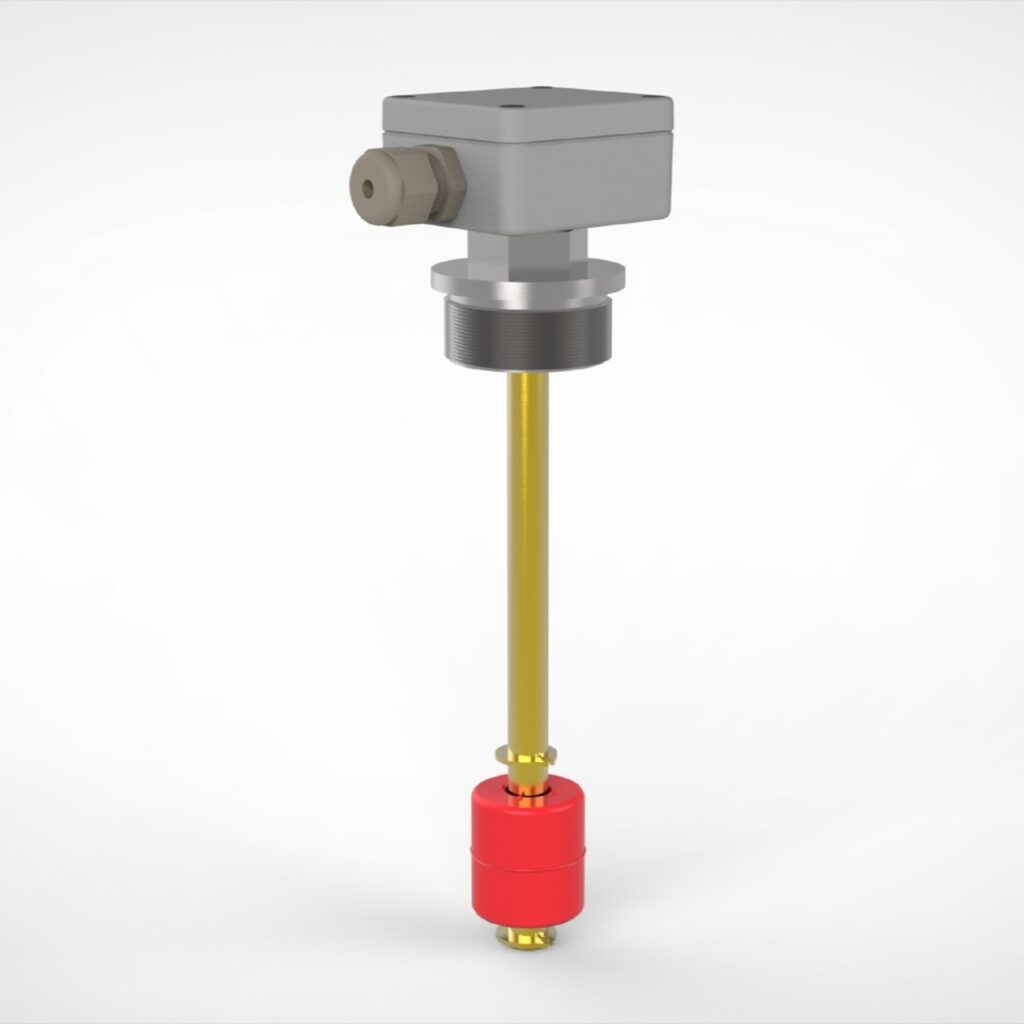
SSM 7 PT100
- Connection:
- Terminal in the housing
- Mounting:
- via housing base
- Sliding tube:
- Brass
- Float:
- Stainless steel, PP
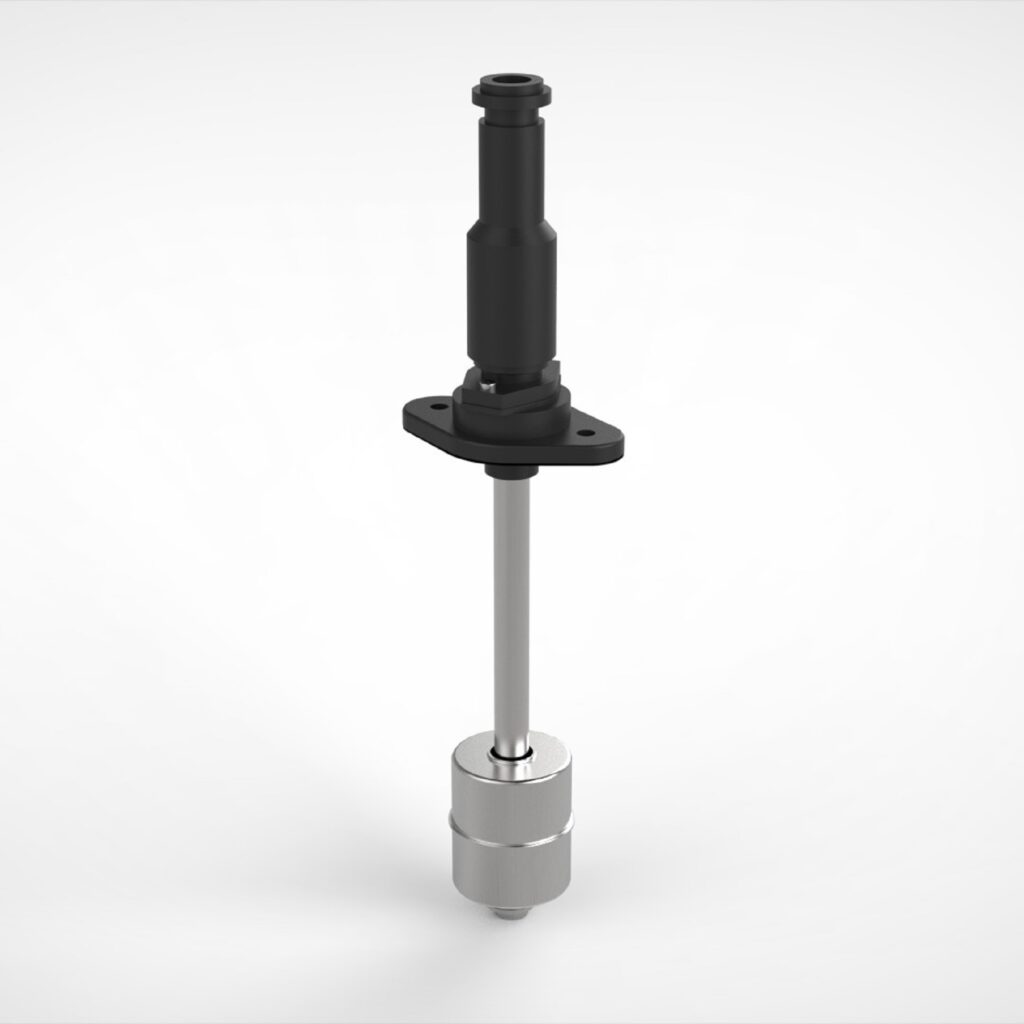
SSE 10 PT100
- Connection:
- Plug connection
- Mounting:
- Flange
- Sliding tube:
- Stainless steel
- Float:
- Stainless steel, PP
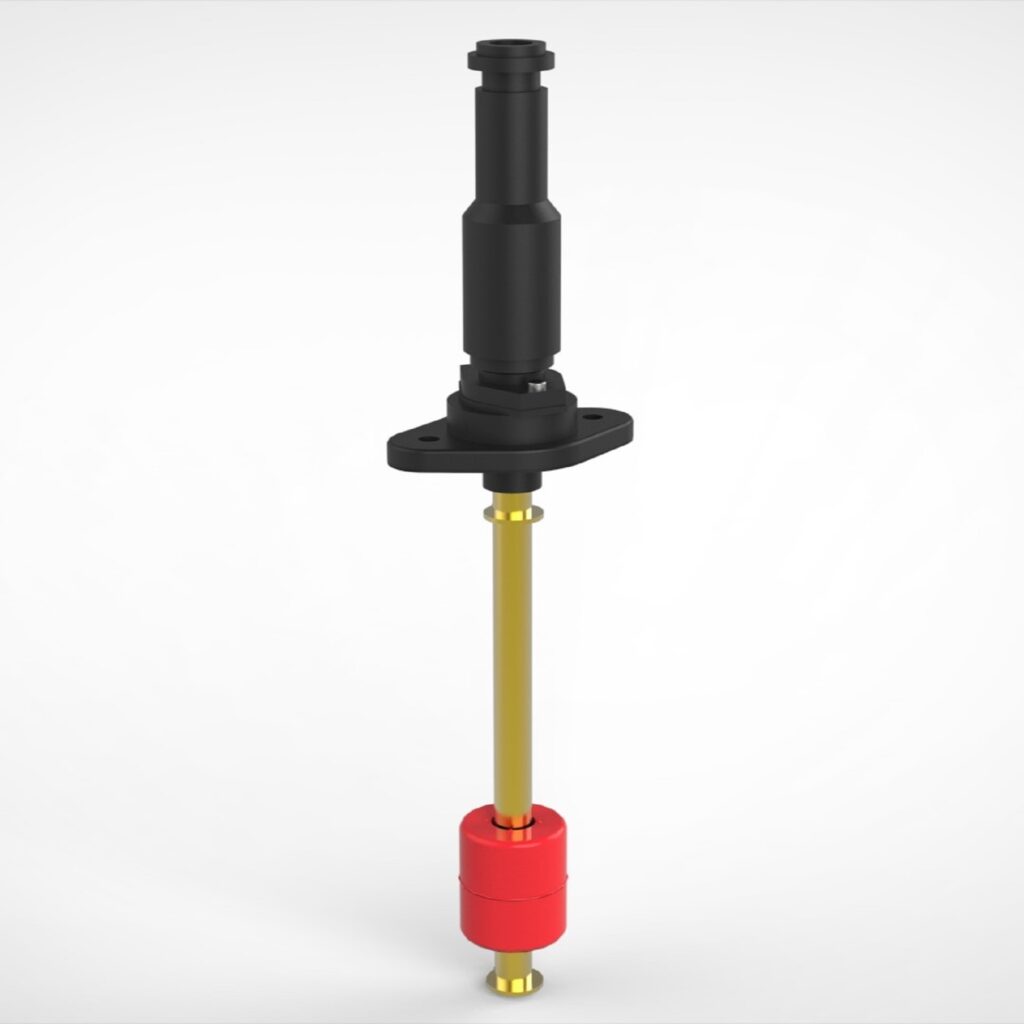
SSM 10 PT100
- Connection:
- Plug connection
- Mounting:
- Flange
- Sliding tube:
- Brass
- Float:
- Stainless steel, PP
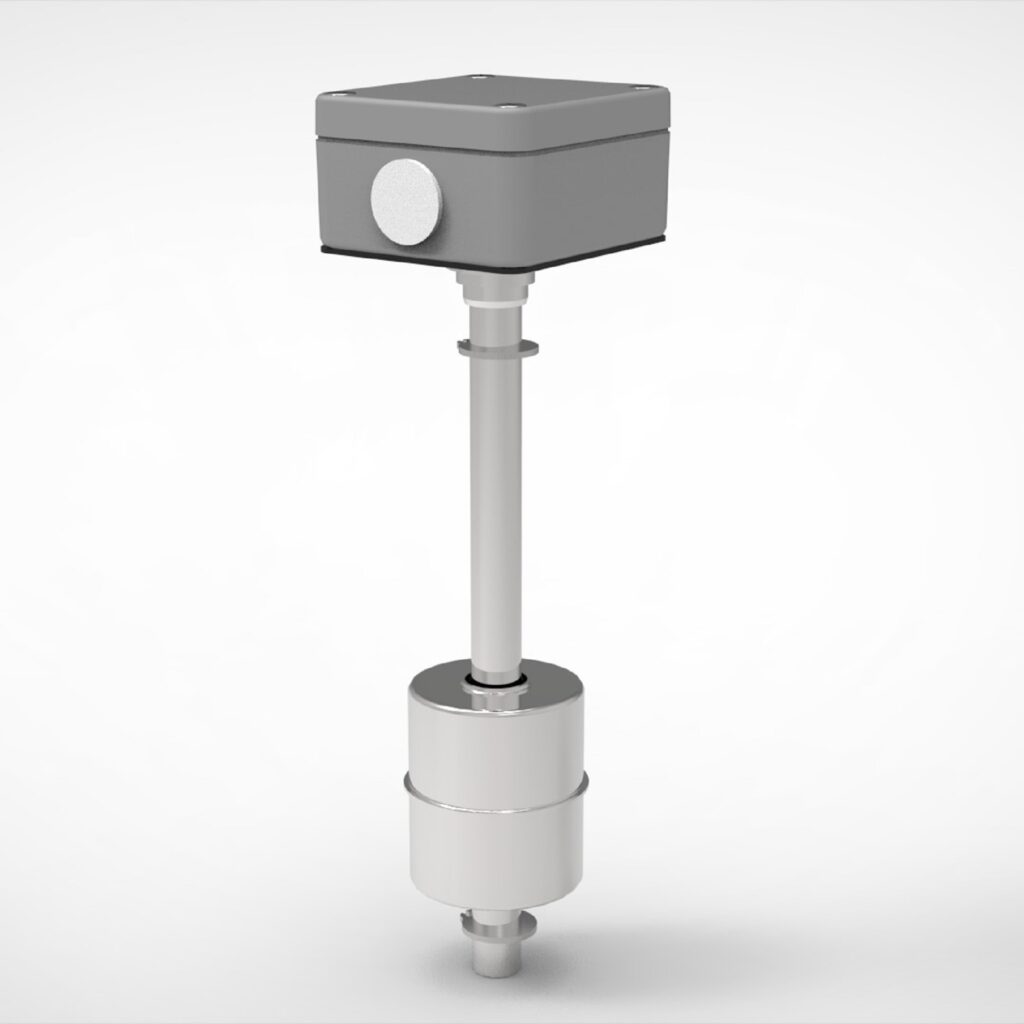
SSE 18 PT100
- Connection:
- Terminal in the housing
- Mounting:
- via housing base
- Sliding tube:
- Stainless steel
- Float:
- Stainless steel, PP
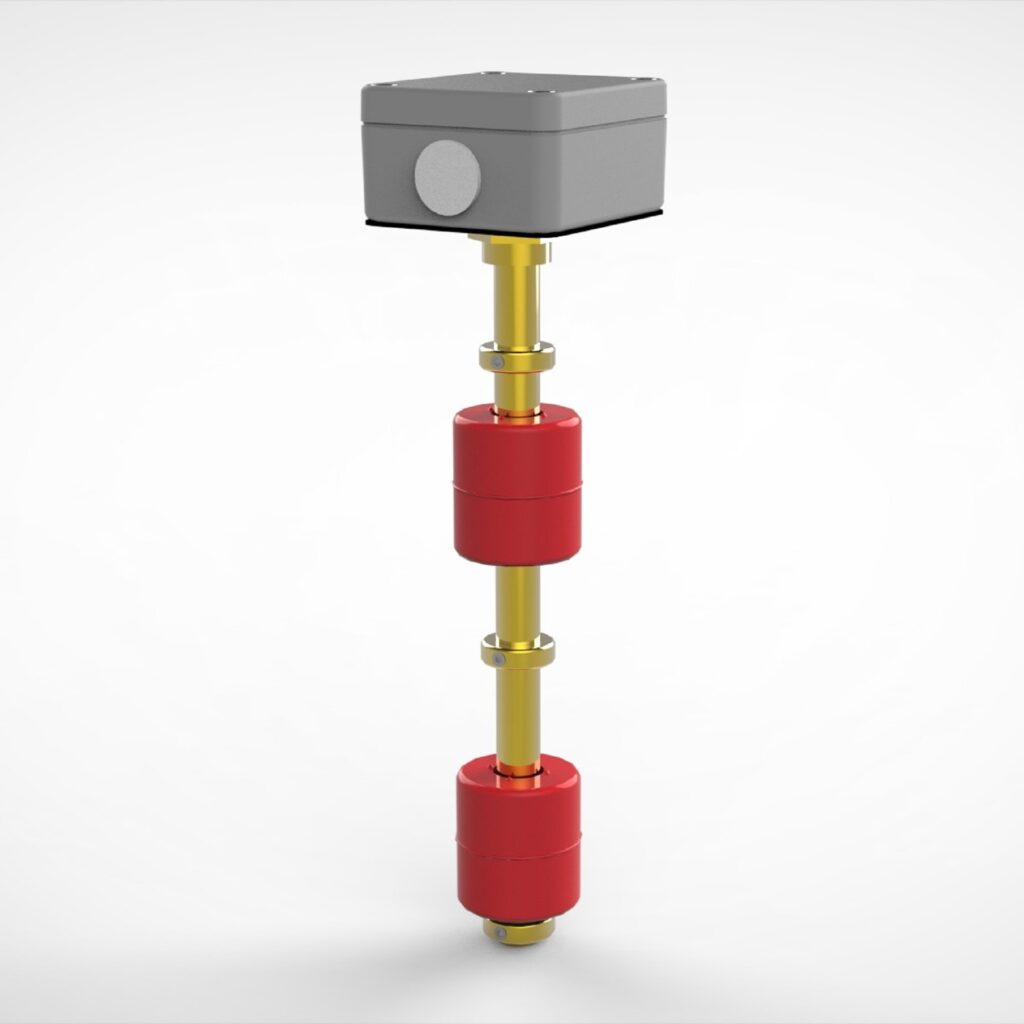
SSM 18 PT100
- Connection:
- Terminal in the housing
- Mounting:
- via housing base
- Sliding tube:
- Brass
- Float:
- PP
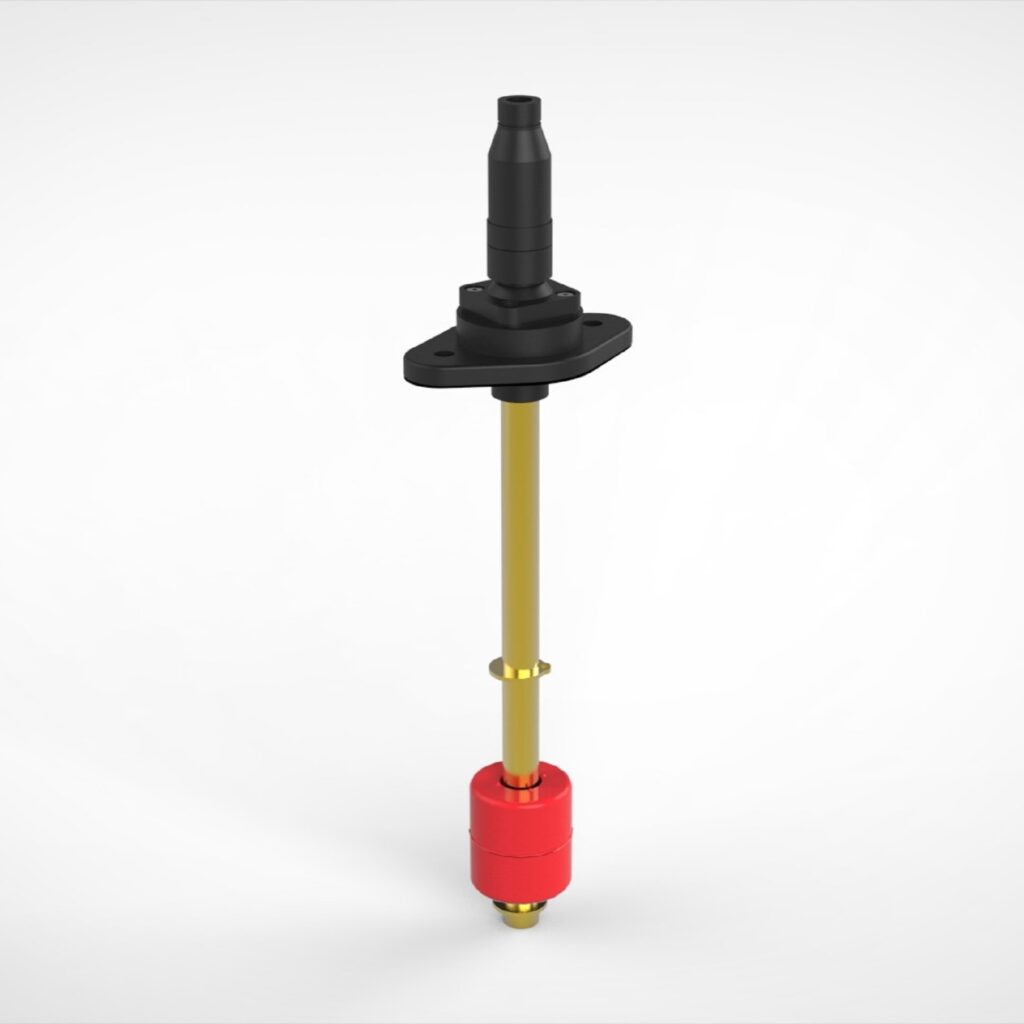
SSM 45 T
- Connection:
- Plug connection
- Mounting:
- Flange
- Sliding tube:
- Brass
- Float:
- Stainless steel, PP
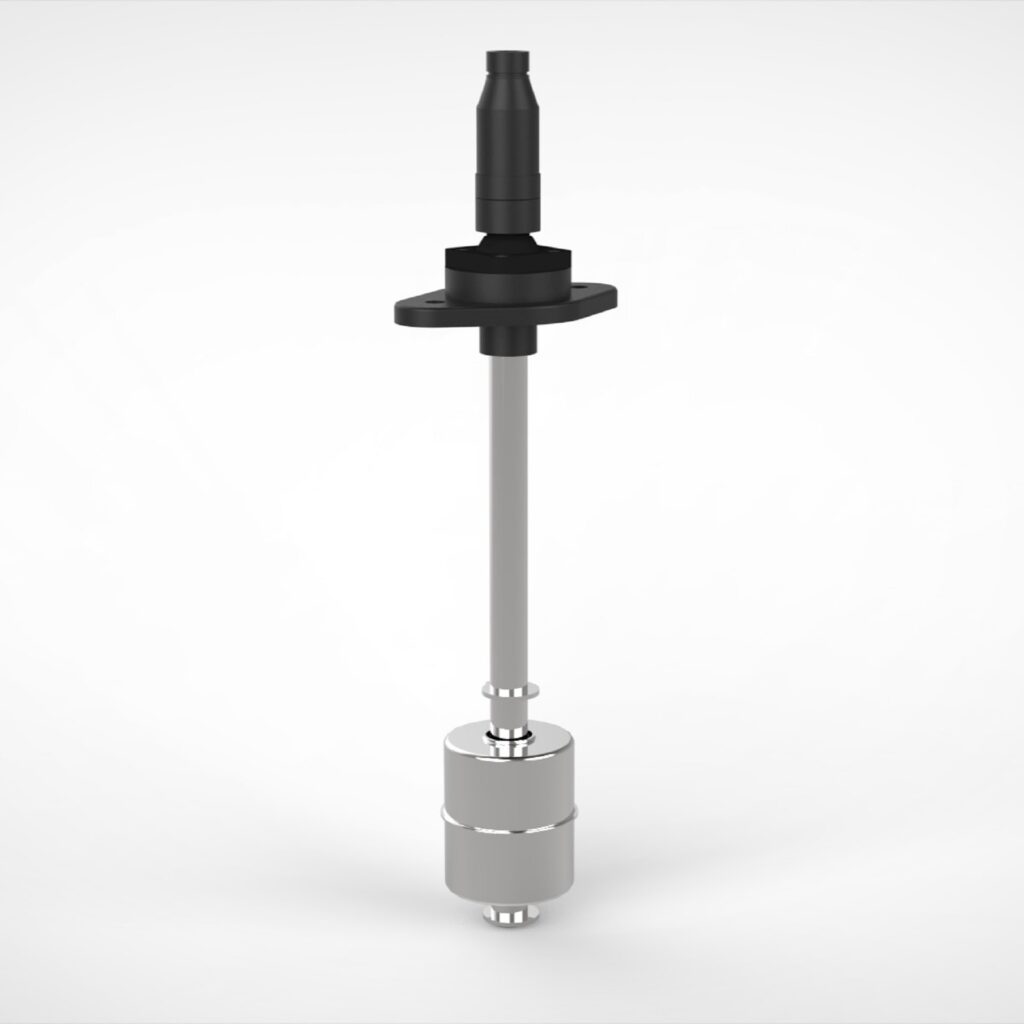
SSE 54 PT100
- Connection:
- Plug connection
- Mounting:
- Flange
- Sliding tube:
- Stainless steel
- Float:
- Stainless steel, PP
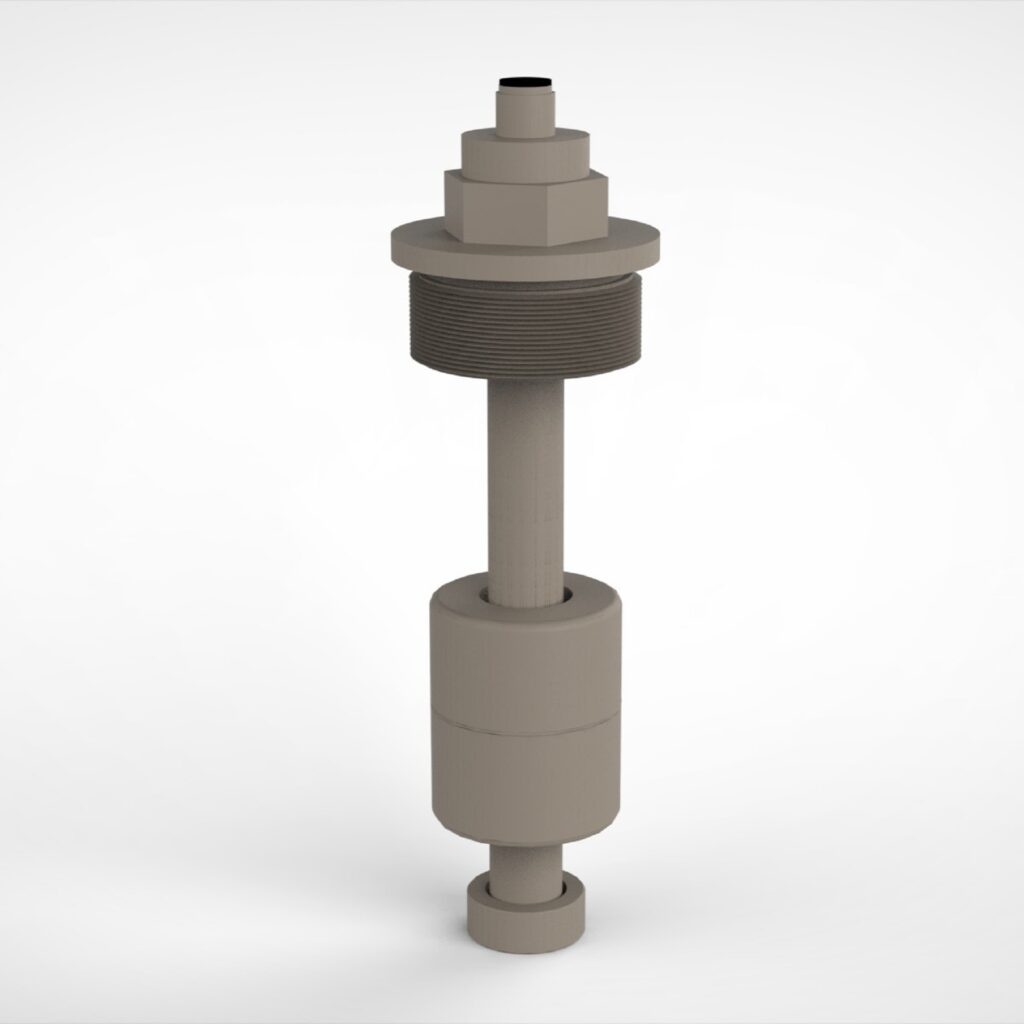
SSP 98 PT100
- Connection:
- Plug connection
- Mounting:
- Screw connection
- Sliding tube:
- PP, PVC, PVDF
- Float:
- PP, PVC, PVDF
No matching products were found for this filter selection.
WE OFFER CUSTOM-MADE SOLUTIONS FOR EVERY APPLICATION!
How does it work?
Whether it’s the length, the switch point position or other technical features, you can configure the sensor exactly as you wish.
Can’t find the design you’re looking for?
No problem – we have plenty more designs in our portfolio – just get in touch.
And what if we don’t have that design in our portfolio yet?
No problem – our engineers will be more than happy to develop it for you.